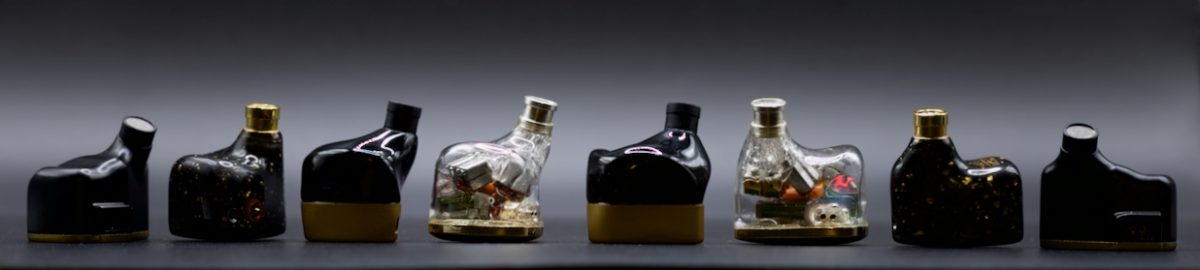
Review Asahi
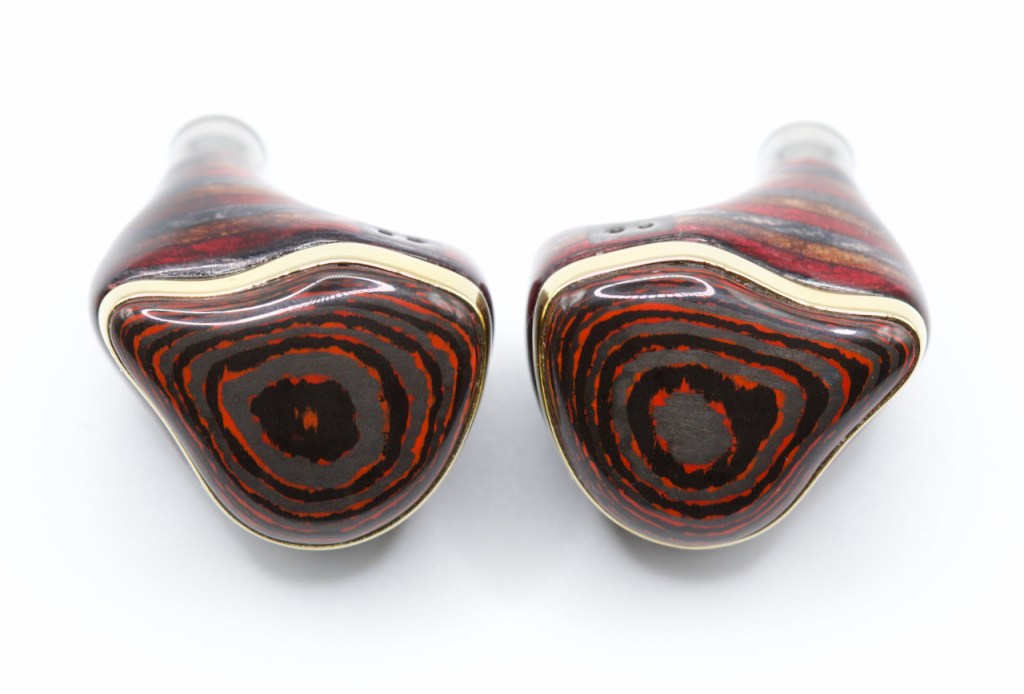
Unique Melody Mason Asahi is a hybrid IEM, containing 3BCD and 12BAs. It retails for a whopping $8300 (Unique Melody website).
Mason Asahi uses three bone conduction drivers, each tuned for a specific part of the frequency range. Working together, they contribute low-end weight, midrange presence, and extended treble detail.
- Bass is deeper and more textured
- Mids is clearer and more expressive
- Highs extends smoothly to 35 kHz
This multi-axis configuration allows bone conduction to contribute across the full bandwidth, supporting a more immersive and natural presentation, without altering tonal balance or introducing fatigue.
The BAs are
- 4 low-frequency drivers for clean, weighted bass
- 4 midrange drivers for presence and smooth articulation
- 4 high-frequency drivers for detailed yet controlled treble (source: musicteck.com)
I am in no way affiliated with Musicteck, nor with Unique Melody or any other of the brands featured in this review. I simply used their website(s) as source of information, according to my needs. This set was kindly provided for the purpose of personal enjoyment by a good friend. He did not ask for a review, but I couldn’t help it, I think this set deserves the attention.
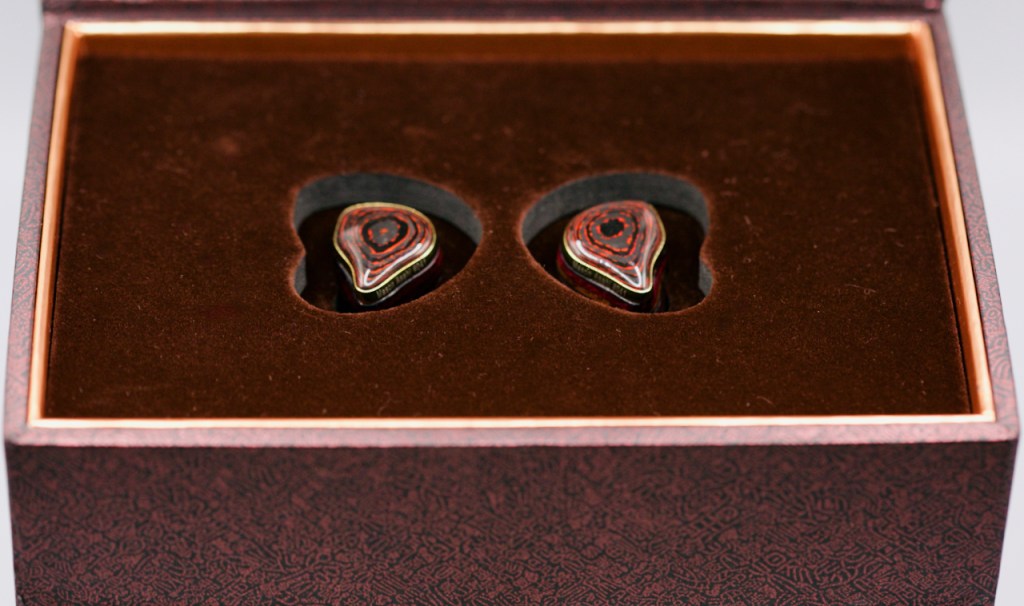
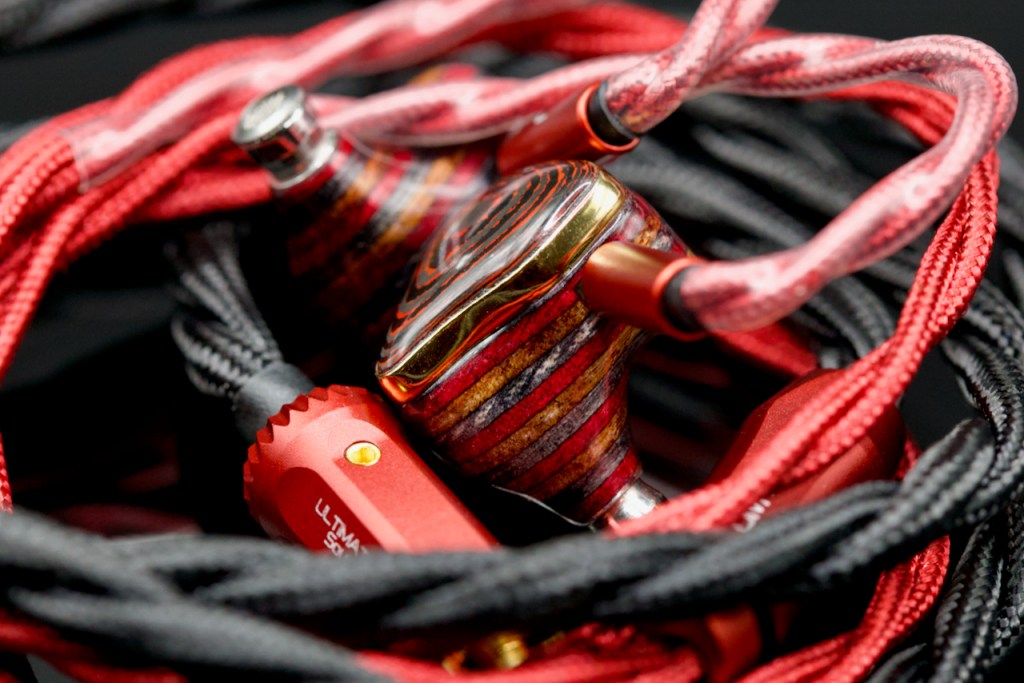
Let’s start with the packaging, they arrive in a two-stories cardboard box, that I’d describe more like understated beauty, than lavish. Open it and remove the thin sheet of paper to be presented with the gorgeous IEMs. The cardboard box is lined up with some sort of burgundy velvety material, that would not be out of place in a jewellery box. In fact, they do contain jewels, the IEMs. The finish is exquisite and the layered wood/resin/wood ensemble is just stunning to look at.
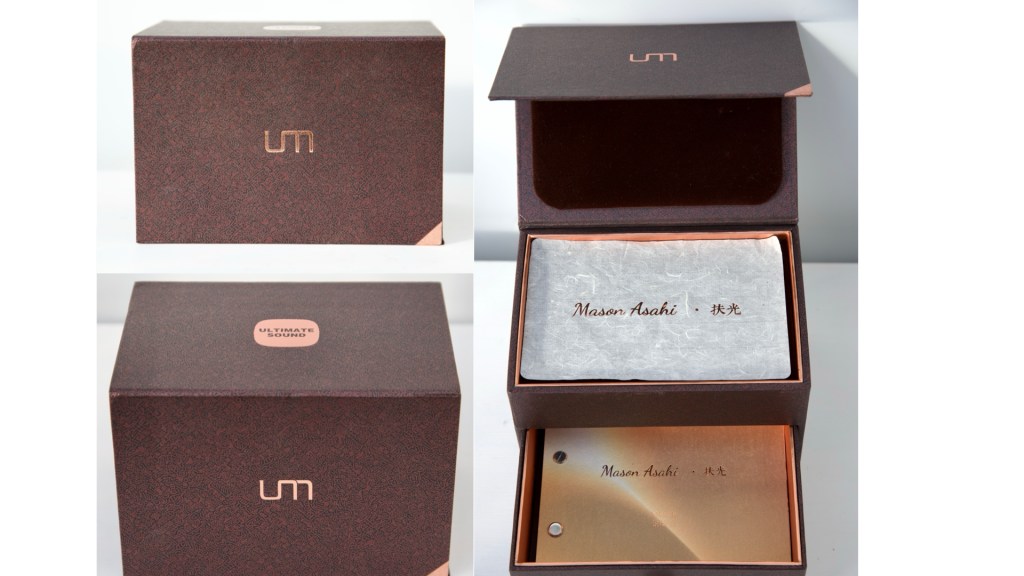
In the lower drawer, there is the carry box, also beautifully executed, in blue leather, of roughly the same design as the one seen on Maven 2, but larger. Inside, you can find the bi-color stock cable, tips and a cloth.

Left: Mason Asahi, right: Maven 2 Crescent
The manufacturing is simply amazing. Let’s start with the cable, which is soft and pliable above any other UM cable I have seen so far. The design follows the one of Mentor, Mest 3, with the cable being covered in black paracord all the way to the splitter and red from the splitter up.
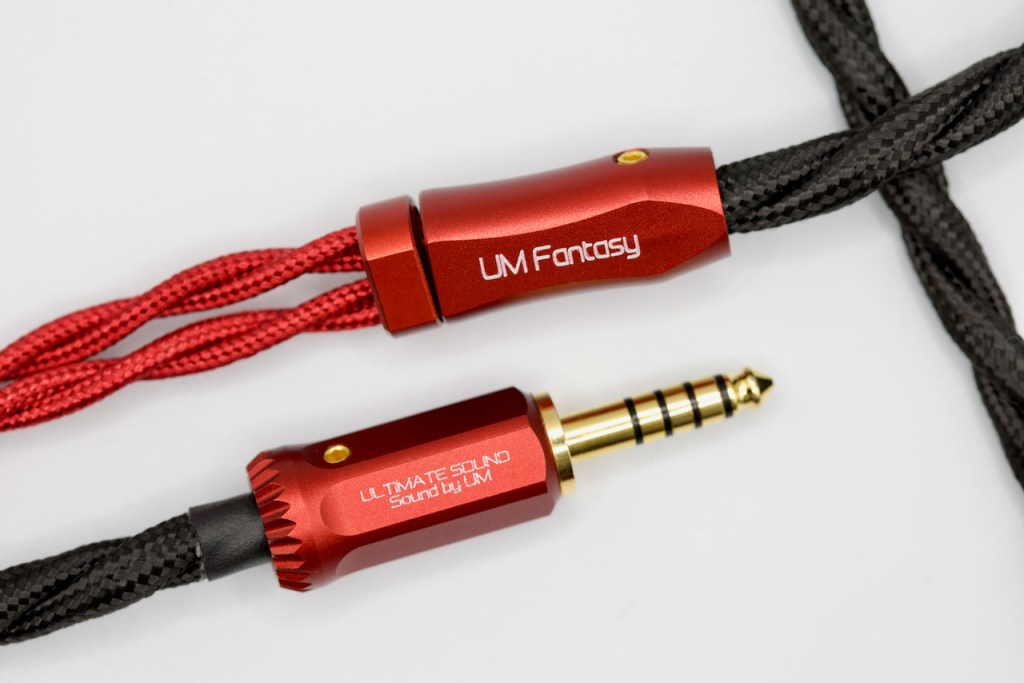
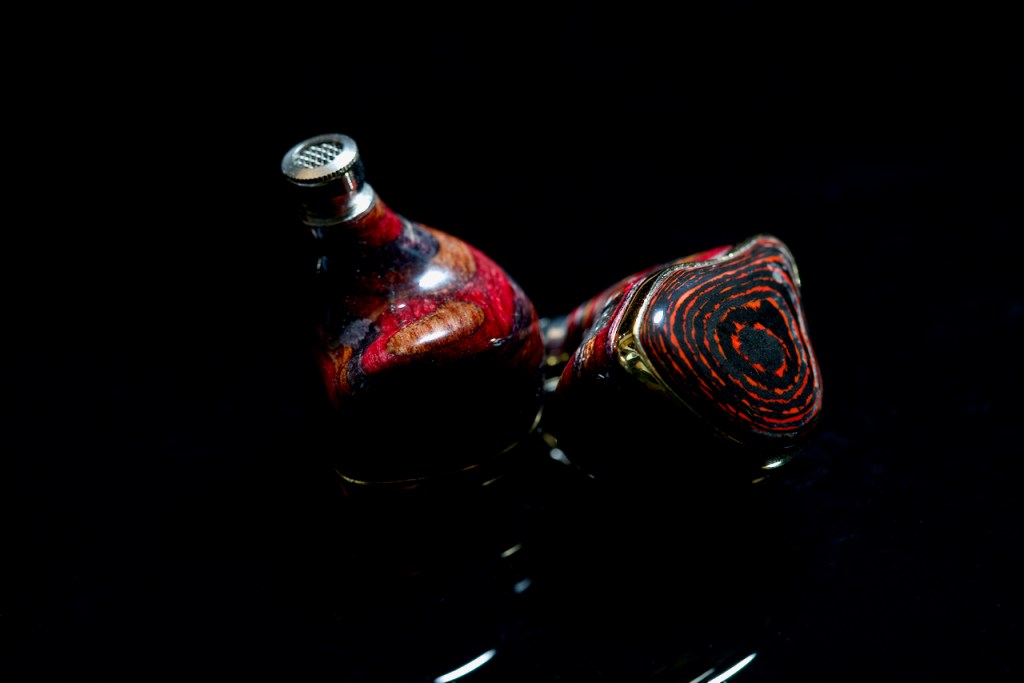
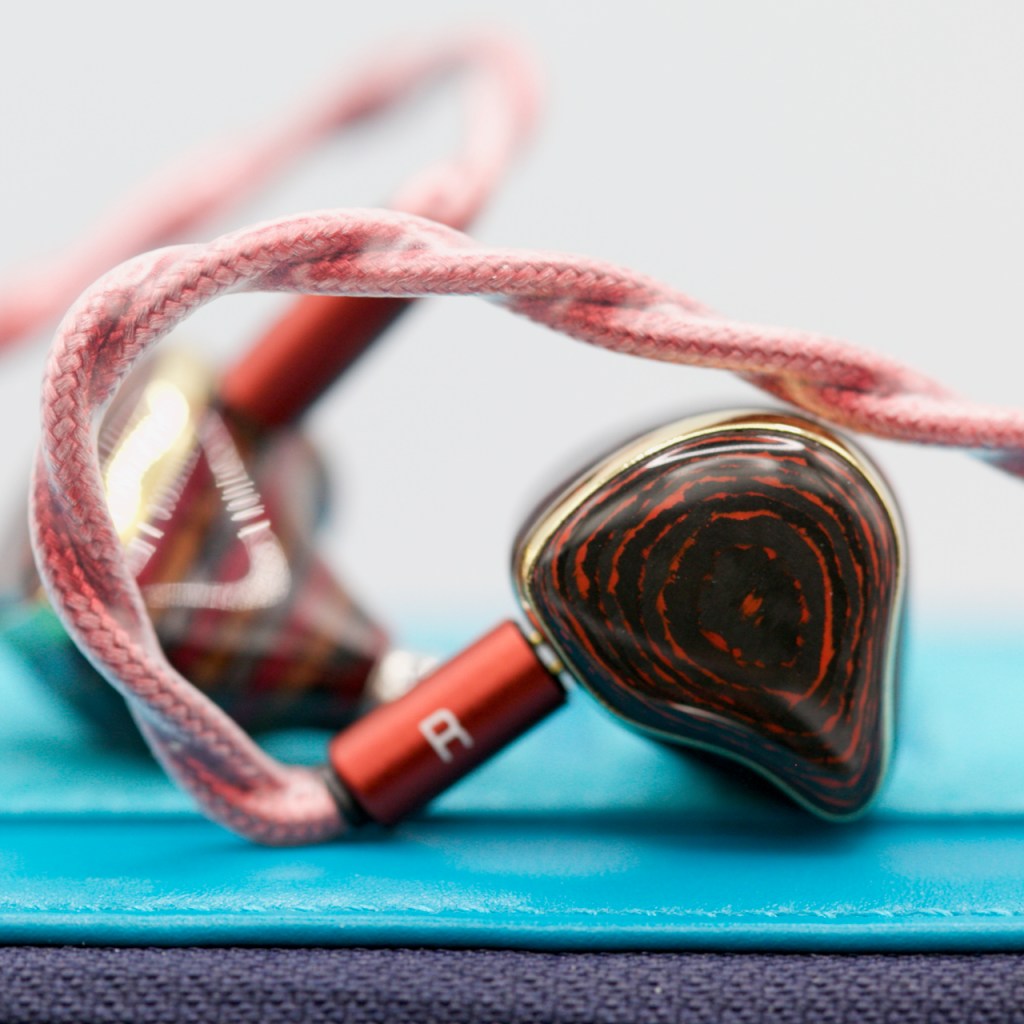
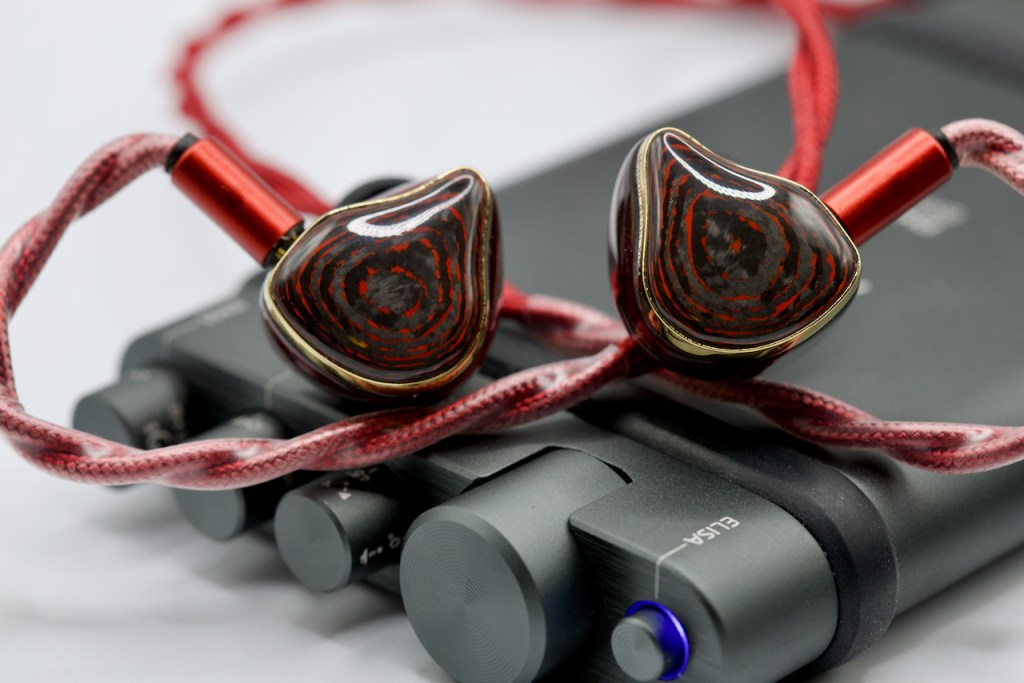
Turning to the shells, the design language is that of the Mest 3, Mentor models, colourful shell with a metal edge, a golden one, in this case, surrounding the edge of the face plate. While Mest 3 has shells made of a carbon fiber composite material, Asahi’s shells are made of a layered composite of rare hardwoods and strong carbon fiber. The aesthetic effect is simply marvelous. There is such a nice harmony between the layers of the shells and the colours of the stock cable, that sometimes I prefer to simply admire the craftmanship, rather than putting them in my ears.
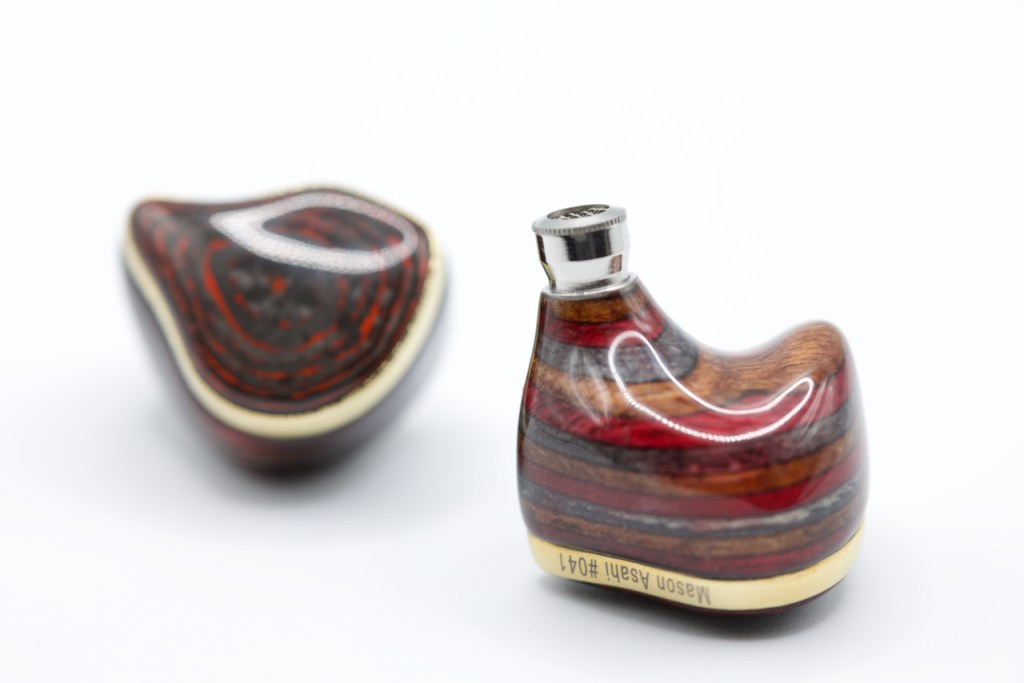
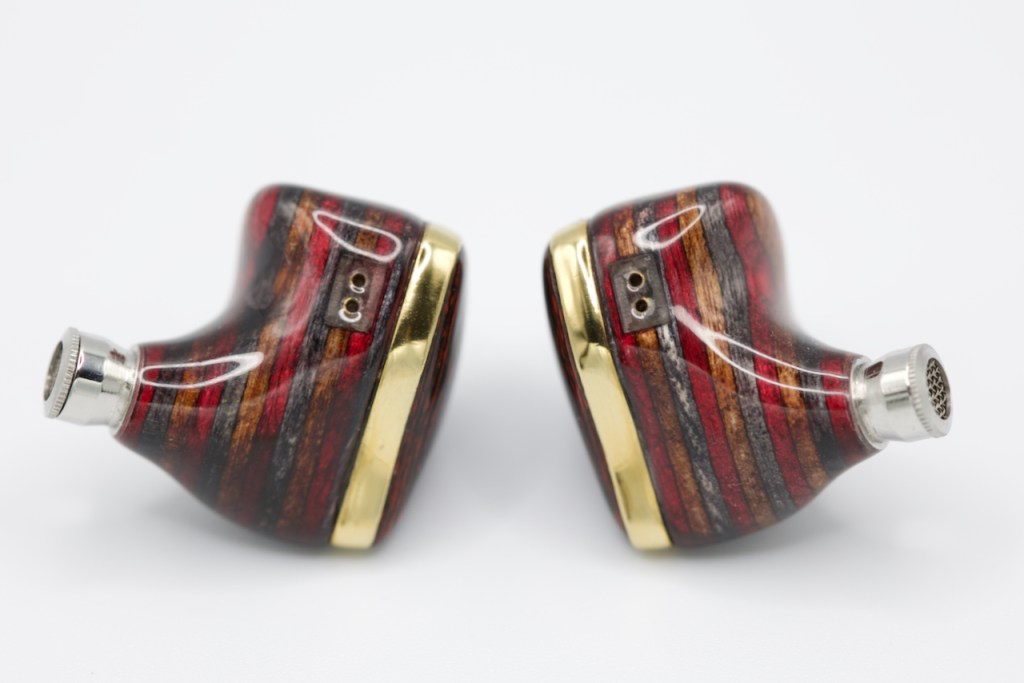
Comfort is supreme, like many other UM before. There is no pressure building up and even though I occasionally need to take them out of my ears, it’s because I play them too loud, not because they wouldn’t be comfortable. Unlike many of the Unique Melody IEMs before, there is no driver flex upon insertion. A great plus.
The bass is large sounding, with a sub-bass focus and an underlying low rumble note that goes on forever. It doesn’t feel like the explosive combo of great slam of the X, neither like the fast flowing, very agile bass of Storm. No, the bass is thick, velvety and it rarely stops. It’s like living upstairs from a giant power transformer, with a low-key humming being a constant presence, to the point where you feel uneased when it stops. Fortunately, Asahi has never-ending resources so that they keep delivering endless reverbs, with a thick, coloured nuance. There is a good level of details, but I would not call them very resolving in the bass. Better than average bass heavy IEMs, perhaps, but not quite holding a candle to Erebus or Storm.As nice as the bass is, if your music contains fast drumming passages, Asahi is maybe not the best choice. The problem is the long decay, which renders the impact a little bit mushy and imprecise.
The mid-bass is seemingly more like a part of the lower mids than a natural extension of said sub-bass. It’s not that the bass it’s bleeding into the mids, just that there is a sub-woofer effect, with a part of the sub-bass being too powerful compared to the rest. A slight lack of cohesion, if you want, as if they belong to different IEMs. It is very much genre dependent, as you will see later.
The mids is where I think UM has put all the effort in this set. They are so smooth and buttery, that either are perfect for your music (more vocal centric, jazzy stuff), or they simply don’t work at all (fast paced, furious metal). Let me explain, the voices are incredibly organic, like listening to a very good tube amp, both female and male voice receiving this warming treatment in equal measure. However, the upper mids are too conservative, and this means a perceived lack of details. It is not, per se lack of details, however, the textures are polished out to some extent. Female voices are brought forward, having an intimate delivery, but not claustrophobic, while male voices are pushed a bit back. This makes for an interesting effect of spatialisation, when both are present, which can be great or annoying, depending on the listener and the music. The separation of the voices from the rest of the instruments is very precise, it is as if they are in a physical spotlight.
Classical instruments tend to sound just a bit darker than I am used to, but combined with the rest of the spectrum and the amazing stage, it makes for a very rewarding listening experience.
Treble is somehow detailed but lacking in air for me. There is a lot less extension than I am used to and the details, while present, require a conscious effort to be taken in. Is like a heavy blanket is hanging right above the cymbals, they have a quick decay, the sound vanishes as quickly as it appeared, leaving behind only the rumbling of the bass. If you are quick enough and you really pay attention, those details will reveal themselves to you. Unfortunately, this lack of air in the treble, combined with the massive bass, make them less suited for fast rock and metal. I perceive them as if there is plenty of headroom left, which is not filled with treble. A slight sensation that there is something more that hasn’t been unleashed. It’s teasing you, but it doesn’t really deliver the promised amount, in the end.
There is an immediate upside to this, they are never bright or strident. Even when the music is too loud, the sound remains composed and warm.

The stage is another highlight of Asahi, next to its impressive midrange. It is as deep as wide and tall. And huge, almost limitless. You have a thick layer of bass coating the edges (if you can find them) of the stage, the mids live in their own space and the voices are one step closer, while the treble floats around (flying lower than expected, due to that lack of air mentioned before). It sounds as if the music is not coming at you, but rather emanating from you, and going away, to fade into space. It is my preferred presentation, as opposed to the IEMs where the music is coming towards you as if converging to a point located somewhere in the center of your skulls. The sound density anywhere in this huge stage is massive.
On some tracks, there is a slight movement of some instruments in space. Seemingly, this is a side effect of the BCDs and their phase shifting technology. As the ratio of sound between BCD and BAs changes, some specific instruments appear to subtly shift closer or further away. One example is Joe Satriani’s Always with me, always with you. The cymbals seem to shift a little bit, in particular when a bass note is played. It is not very noticeable, but when comparing with Storm, for example, it is present.
Classical music sounds theatrical, with huge stage extending on all directions. The huge bass is of big help now, giving the music a force akin to being present in the concert hall.
Pairing
With a sensitivity of 108dB@1KHz and an impedance of 21 Ohm, they do not require huge power. However, like most UMs scale up wonderfully with better sources. AK SP3000 at a volume of 60 is already a bit louder than my usual listening habits. Particularly pleasant was also the Nipo N2, but the icing on the cake was Audma Brioso. Quloos MUB5 worked also well, but there is a caveat here: it really shone with Asahi on genres like ambiental, dance, and pop, but for metal, despite bringing some mids texture, the highs were way too muffled, so I’d advise against this pairing for treble heavy genres.
With desktop gear, such as Teac UD-507, the stage gets mythical proportions, while maintaining a density of sound well above most IEMs considered TOTL.
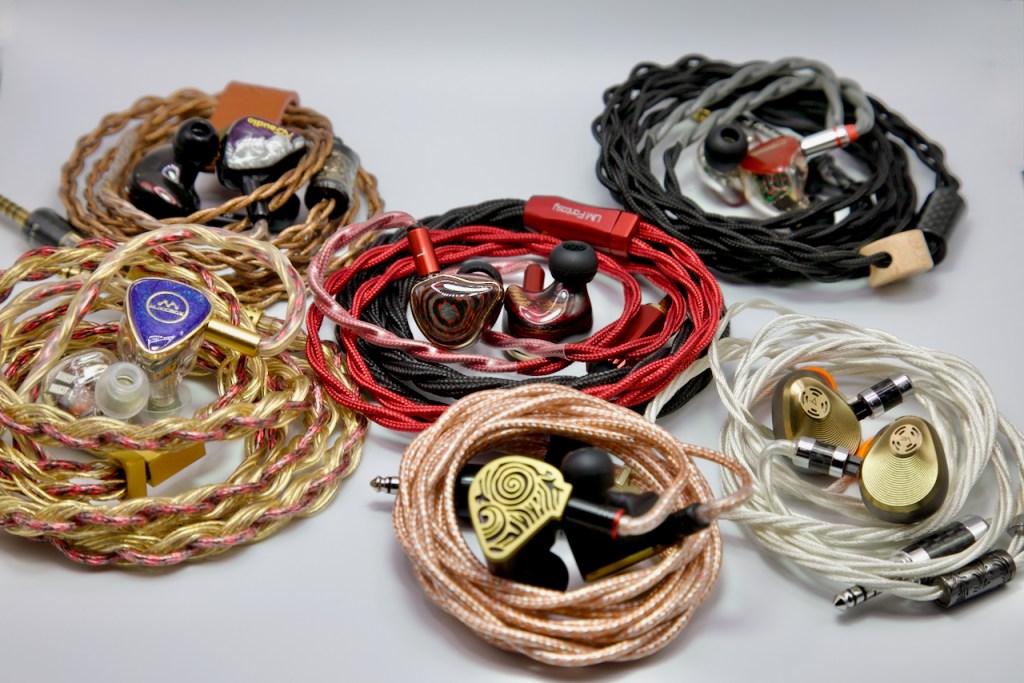
Cables: The SPC Nightcraft Spectre brought a bit more bite in the treble, but not enough to really make a difference. The stage was somehow narrower. Rhapsodio Luxe 4, on the other hand, made the stage even taller, while restoring some shine to the treble. Again, not enough to turn them into a metal monster, but a step in my direction. Fifth Ode brought an unexpected balance, ironing out the difference between the growling bass and the subdued treble. The sound is a bit heavier, no longer flowing with the same ease as with the Fantasies cable. The buttery voices now carry more texture. A different flavour, I cannot say it is more to my liking or not.
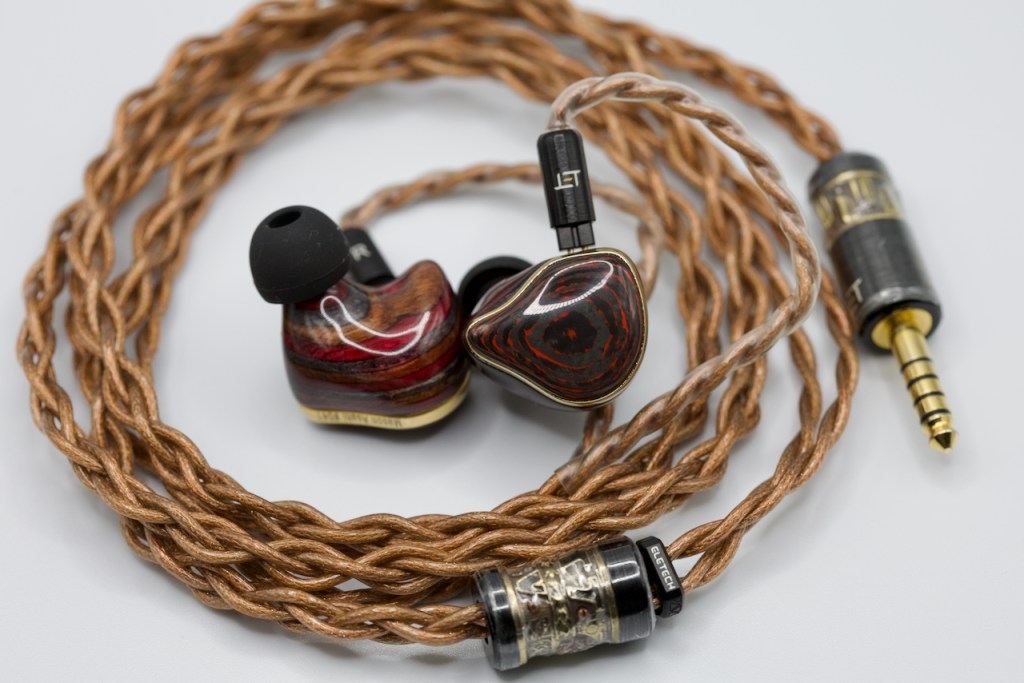
From what I wrote until now, it may seem negative, so maybe you’re wondering, what the heck…, but there is something going on with these IEMS. I am drawn to them like a moth to a flame. There is a hypnotic quality in the way they build up the stage, the bass that is slowly crawling under the skin and hits you with withdrawal symptoms once the music stops.
Side note: I was also curious what the UM Fantasy Cable can do, so I hooked it up to my beloved Erebus. Erebus is an IEM with a tall, but relatively narrow soundstage, with muscular bass focused more on mid-bass than sub-bass. The Fantasy cable maintains the stage, even though it seems a bit larger than my usual cable, the LL Venom, more precisely, it is as tall, but wider. The mid-bass focus is a bit less obvious, while the treble seems to have just a tad less sparkle. The bass remains warm-ish, but not excessively so. It reminds me a bit of the wonderful Nighcraft Vesper.
Since this is a very expensive set and with a very particular configuration, I have chosen to compare them with my best IEMs, regardless of their technology. Not fair, I know, but I have zero BCD+BAs alternatives and, at this price, I think they should be able to compete with everything. The IEMs I have lined up for the task are some of the most well regarded in the community, Traillii JP, Muxicbox, Steranko S40 v2, NGaudio Erebus, Astell&Kern & VE Aura and the mighty Storm.
Tómarúm – Halcyon Memory
The inherent darkness of Asahi is less manifest here, the production is such that it sounds amazing on Asahi, even with a source that is not first choice for them, namely MUB5. The bass is ample, with two layers, one where the drums and bass guitar reside, and another, underlying the first, with the specific low grunt of the bass. The opening drums sound massive and seem to resonate forever. The double bass drum is reasonably fast, but not the usual BA speed, a bit slower than that.
Muxicbox Steranko S40 (V2, see below), my previously warm set, opens the song in big manner with the toms sounding equally big, but with more impact of bass drum. The atmosphere is more open, the cymbals have more extension to manifest themselves, more bit and quite a bit more air. You have the usual EST sparkle, but double with BA body, so the end result is, indeed, very good. Turning from Asahi to S40, the first moments seem like something is missing, the bass is much lighter. Then the mid-bass details start kicking in. This is how I enjoy this kind of music, with a slight mid-bass tilt, as this is the area where most of the magic is happening. The stage is not nearly as large, but it does not sound too crowded or too intimate either. The guitar solos are more sparkly and lively. From the atmospheric point of view, the S40 paints a brighter image, less oppressive than the moody, smothering, Asahi.
Sabaton – I, Emperor
Asahi sounds larger, but less clear. The voice does not have the same timbre and there is less of his natural coarseness audible, the texture is a bit blunted. The impact of the rhythm section is softer and the overall presentation, lacks some engagement, with the guitars pushed back and slightly muffled. The smoky presentation is not what I expected for this song.

As Joachim takes command of the song, S40 presents a civil version of the songs, with a theatrical presentation, putting the voice in the center. The guitar have less grit than I’d like, but still respectable. The bass guitar is easily recognizable throughout the song, acting like an anchor for the voice, the central element.
It doesn’t make much sense to compare Asahi and Storm head-on, but bear with me. The impact of the drums is dramatic,even though they seem a bit smaller than S40’s big drums, but with a level of details that is extraordinary, the guitar harmonies alone lift the songs to a whole new level. Add the cymbals details, inaudible with Asahi and you have a whole different picture.
Olafur Arnalds ft Arnor Dan – So Close
From a british TV series…it’s a dark and sad piece. Asahi gives the impression of a large stage, but somehow closing in, compared with Storm’s expansive sound (see below). The strings sound remote and slightly less textured, but this does not pose a problem here. In fact, it matches the atmosphere perfectly. The crackling embers at the end are hardly audible, but present.
With a large globular stage with Storm, the opening percussion fills your heart with sadness, emotionally overwhelming due to the sheer size of the sound produced. If this sounds like funeral music, it’s because it was made to accompany the discovery of a murder scene.
The voice is melancholic, somehow warm, but oh, so sad. It comes through with great clarity, a trademark of Storm.
Traillii JP is another one of my favourite sets. It has an equally large stage, but maybe not as deep as Asahi’s. The voice floats effortlessly, a bit lighter than Asahi, the slowly moving synth is the central element and it does a great job anchoring the atmosphere. In terms of technicalities, this track is not very demanding and either of them works well, but in terms of atmosphere, the Asahi is the most oppressing one, like a black desperation taking over everything. I find this rendition much better befitting the entire significance of the song.
Florence + The Machine – Everybody scream
Asahi is very good here, as there is no need for intricate cymbal work, no subtle details hidden in the bass of treble. It’s all upfront. The voice is loaded with emotions, clear and detailed, and the backing chorus, reminiscent a bit of the kids in “Another brick…” the bass is big, but not overwhelming, the importance of choosing the genre carefully. The forward voice is balanced, with the right amount of details/warmth and perfect spatial placement makes the entire experience quite impressive. Outstanding separation of instruments and nice placement of the voice in its own space, that is seemingly wrapping around my head.
S40 is brighter, more mids forward, in fact, too mids forward a bit. I know this tendency of S40 to bring the female voice very forward. In it’s new clothes (V2), S40 has more bass than V1, so while it does not compete with the thick blanket of Asahi goodness, it is a respectable bass. The individual notes appear to be shorter and thicker than Asahi’s, despite the lack of that constant rumble. The stage is certainly smaller, but it does not feel claustrophobic, as the elements are nicely spread out. The voice on S40 is much closer to the rest of the instruments, so the separation is much less evident as with Asahi.While I find S40, in general, very good for female voices, I do prefer Asahi here. Just to be clear, both are equally good, I simply prefer the overly warm presentation of Asahi.
Erebus is more open than Asahi, despite it being a rather bassy IEM itself. Right after Asahi it seems too lean, but after a couple of minutes of getting into its sound, you get used to it. There are many differences, the voice is much more intimate, no doubt because the stage is narrower, but the usual vertical separation makes for a very pleasant listen. Erebus goes in the opposite direction from S40, the separation between voice(s) and the instruments being more evident here. This makes Erebus seem more detailed than the other two. Like S40, the voice is almost too forward.
Traillii JP is a good compromise between all the others, it has the most nimble bass, the same voice forward approach, but not as overwhelming as Erebus. The stage is large enough to allow all details to manifest in their own space. The voice sounds the most natural to me of all these IEMs, even though not the most detailed.
AK&VE Aura This is another vocal specialist. It sounds more detailed from the start, plenty of textures everywhere. It sounds more neutral to me than all the others. The voice is not that forward, but it has a clarity unequalled by any of the others. The DD bass makes its presence felt at key moments in the song, in big style. While I am not a big fan of mids first IEMs, I must admit that for this song this approach is rather good.
Aidan Baker • Simon Goff • Thor Harris – Red Robin
As we get closer to Asahi’s playground, the gap between UM’s latest effort and the meagre competitors that I can line up to face it, turns into a rift. S40 is doing a good job, it is a very good IEM, after all. But when it comes to atmospheric ambientalmusic, it is like bringing a knife to a gun fight. Asahi is not only leaving S40 in the dust, it is obliterating it by seemingly creating a whole new music out of this track. First of all, the stage. To say it’s large, would be an understatement. It’s like all of a sudden, after seeing sports games on TV, you are on the stadium, there is so much more to it. This is what I hear when changing from S40 to Asahi on this track. There are more layers, the music is dancing its way around your head (and NOT inside of it). I am not a big fan of ambiental music, but with Asahi, I have listened to the whole album in one go, this is how spectacular Asahi is for this kind of music.
There is an impressive sense of realism, when it rains, it feels like you need to take shelter, in order to not get wet…it’sincredibly immersive, and the bass comes to you in waves with many layers. It is, really, like a layered cake, each new layer bringing along an explosion of new sensations. The darkness is gone, clearing the path to relatively crystalline sound.
Aura is not my cup of tea, many of the high pitch sounds being too piercing. YMMV.
Erebus is nice, but claustrophobic, by comparison. The magic is gone, it’s relatively narrow stage not being enough for this track. The details are a bit mashed together and with no bass guitar and few cymbals, its talents are not put to good usehere.
Traillii puts up a good fight, with its large stage and good separation, being the one that comes closest to Asahi. The bass is more articulated than Asahi’s, but I am lacking that constant woom woom.
Storm did everything right, large stage, perfect separation, but there was something in the way Asahi built the stage, that made me prefer it to all the others.
Memento Mori – See me
I don’t think a sub-bass test was really needed, but it was fun, nonetheless. From the first seconds you know you are in thepresence of something special. There is a rumbling like a bad omen…and starting from 00:51 mark, your head is exploding with bass. Tight and controlled, but with a ferocity that hits like a sledgehammer. It’s not all bass, though, there are some stereo effects that sound like surround, rather than two-channels. It’s hard to believe this bass is not generated by speakers, let alone BAs.
The only IEM worth mentioning here is Erebus. Its DDs reach very low. The impact is even more powerful, the slam is like earthquakes and the sparkly cymbals added on top make a nice contrast.
Sting – It’s probably me
The voice sounds natural and organic, forward and with a depth that I don’t think I’ve heard before. The bass guitar is precise and, while being detailed, it is not at all drawing the attention. The icing on the cake is the guitar, which is sweet and with a richness in those tones, that you immediately know who it belongs to. Just like with the previous two songs, the darkness is gone, the cymbals are perfectly clear and they have all the air they need. If I wouldn’t be such a metal head, I’d never give these back.
All IEMs performed well on this track, with the Asahi having the most velvety voice and the most fun sound, thanks to the extra stage and to the (correct) decision to keep treble contained, along with that guitar tone.
Cécile Verny Quartet – The bitter and the sweet
A nice, warm milk and honey sound, with some of the bass dropping lower than I’m used to. The voice is detailed and natural, forward, and life-like. There is not a shade of anything out of place, the voice, the piano, percussion, everything is working together to create a sphere of music.
Thibaud Garcia – Concierto de Aranjuez
Nice thick notes of that Spanish guitar, maybe a tad darker than I am used to, but contrasting nicely with the orchestra that is massive and imposing. I like how that bass rumble is now replaced by a more contained, more sophisticated version of it, giving the impression of unlimited power, but at the same time, making the whole experience sound like a live performance. It’s like the rapper vest has been replaced with a nice suit and tie. It is rare in an IEM to undergo such a transformation, but Asahi does it successfully, and I am utterly impressed.
Billie Eilish – No time to die
This is one of those tracks that give me goosebumps on this set. Her voice is perfect, the way it plays so close to the point of breaking. Asahi adds a sense of realism I could swear there isn’t a transducer between the voice and my ears. The warmth added by Asahi is just magical.
Traillii is the best contender here, with its natural timbre. Aura was almost too detailed for me (clutching at straws here), while Erebus and Storm did their usual great job, but at this level they are all very good and I cannot choose a favourite.Either one of the cited IEMs is guaranteed to give you an almost perfect experience here. Luckily, I love this song, so I’ve enjoyed listening to it with so many IEMs.
Conclusions
I feel almost humbled as I am drawing conclusions to what was the most difficult to write of my opinions. Asahi is more than a simple IEM, it is an experience. From the packaging, which in honesty, it is very nice, but nothing amazing, really, to their expansive, enveloping and engaging sound, they are a set that every IEM enthusiast should experience at least once.
Asahi is very genre dependent, maybe the most of all sets I have tried so far. Like a good wine, it needs space to breath, you need a decanter, you don’t just throw random genres at it. It needs careful pairing with the music. Invest the time and you will be rewarded with an experience that is unforgettable. The choice of music is more important than the gear pairing for Asahi. Anything fast pushes it into an uncomfortable territory, while slower music is giving it’s drivers the time to shine. How and why is this so, this unit having only BAs and BCDs, I cannot tell you. How can Sade’s Smooth operator sound so perfect and my beloved metal so dark?
In any case, vocal centered music, relaxed jazz, ambiental and, in general, anything not containing a blast beat is elevated to an almost transcendental experience with Asahi. The music does not come from somewhere, it simply exists and you are right in the epicentre.
Yes, they are expensive, but I dare say you get something unique for your money.
 Mikaik-audio