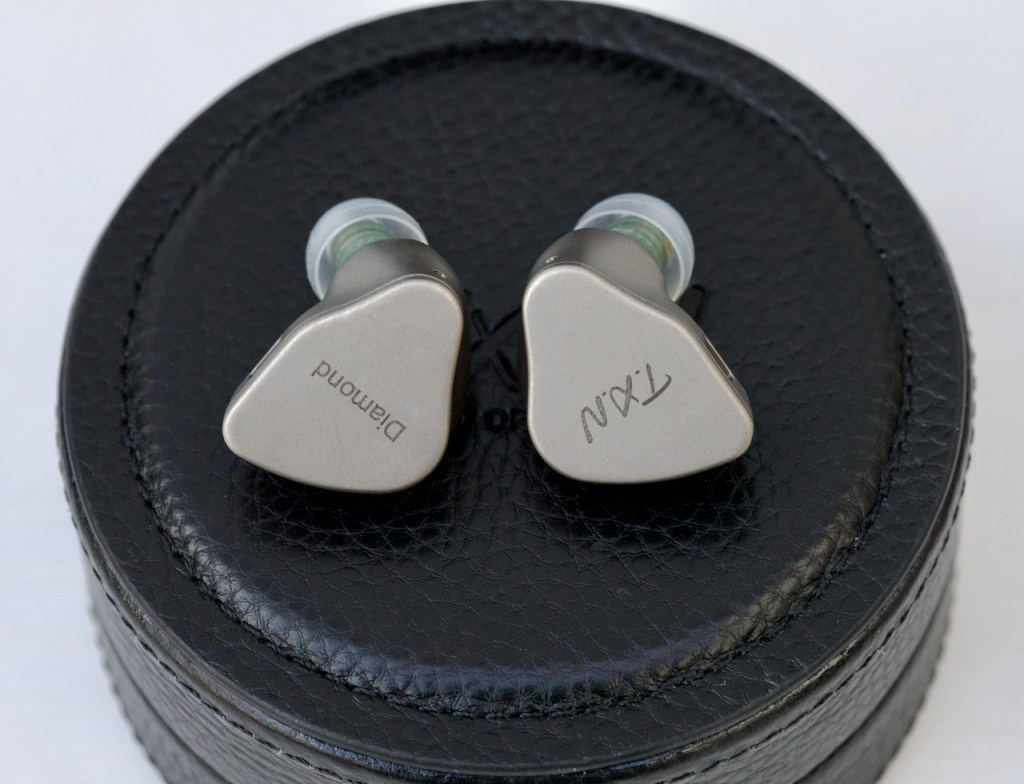
TXNsound is a Vietnamese company, with some products in their portfolio, and while not totally unknown, they are also not hugely popular in Europe, which is a pity.
Today we’re looking at their Diamond, a 2000USD, titanium shell, single driver IEM. Available for purchase here (unaffiliated link).
| Feature | Specification |
| Driver | Single Dynamic (Pure DiamondDiaphragm) |
| Shell Material | 5-axis CNC Titanium |
| Impedance | 15 Ohm |
| Sensitivity | 106dB/mW |
| Cable | Aegis 4X (7N OCC Copper) |
Packaging and build quality
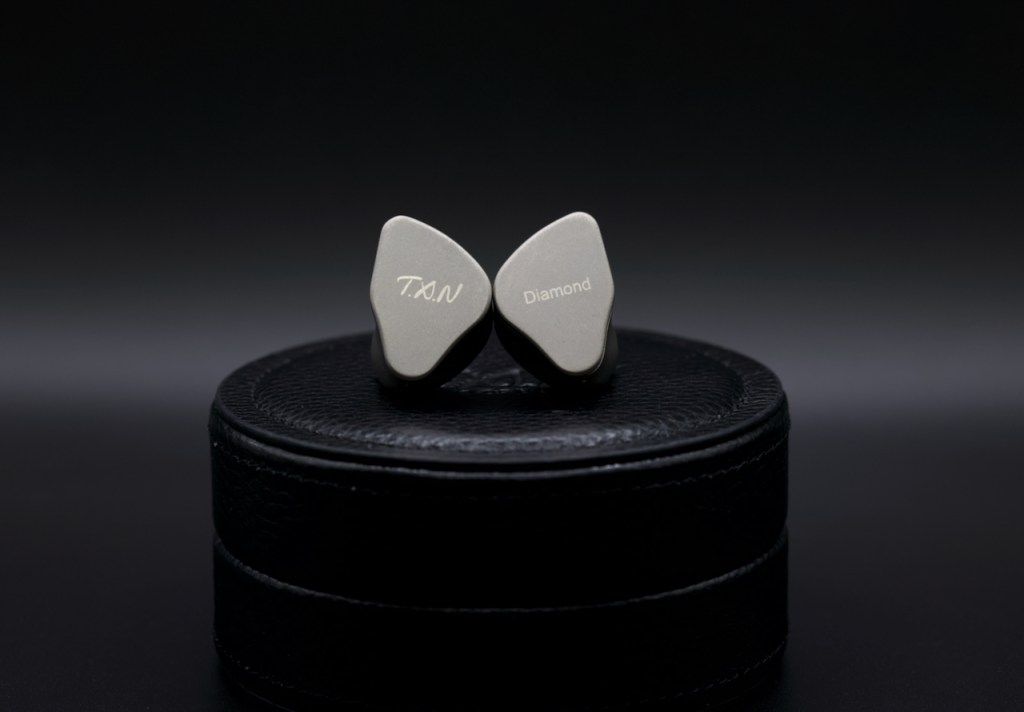
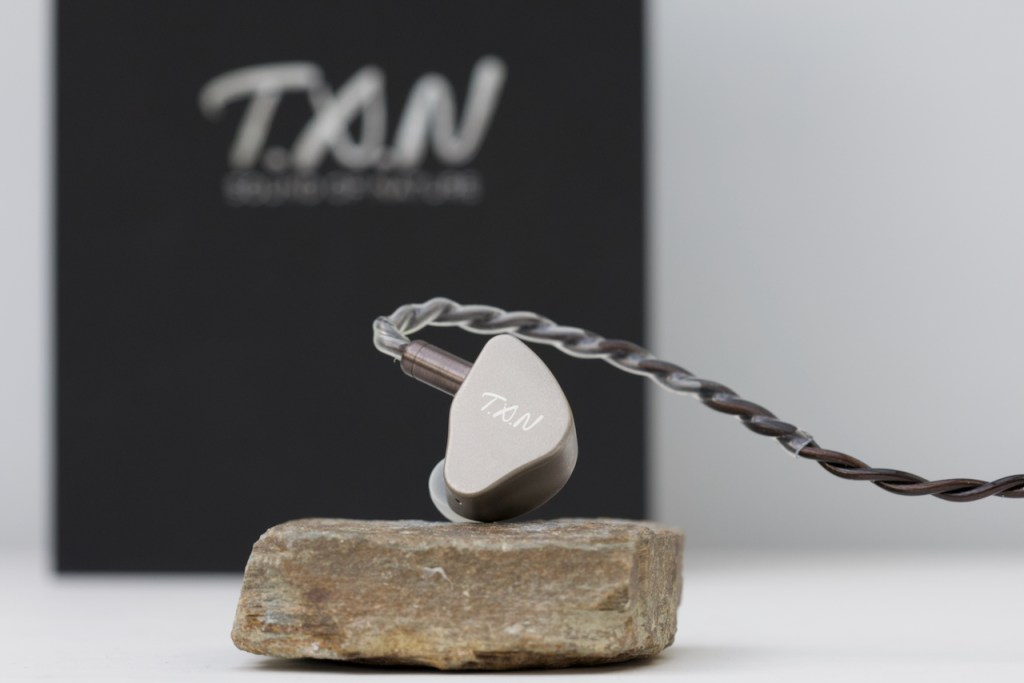
They arrive in a sober looking black cardboard box, that once opened exposes the IEMs and the black puck-style carrying case. Important mention here, the puck is larger than most similar ones, well done.
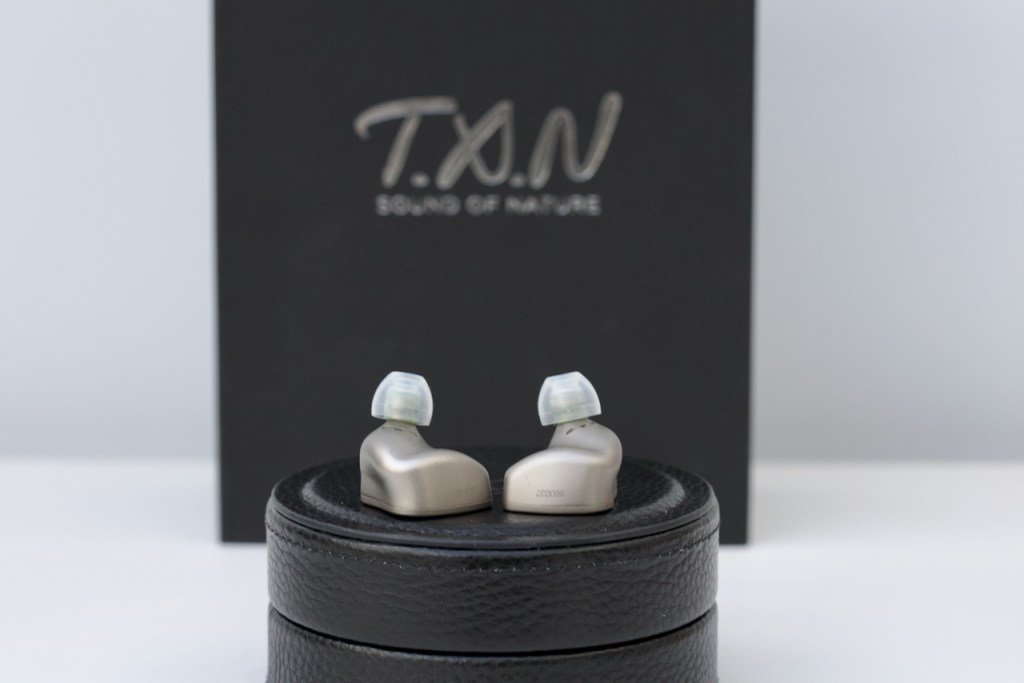
TXN Diamond shell is sculpted from a single solid block of titanium using advanced 5-axis CNC machining, creating a seamless structure that eliminates resonance andpreserves every musical detail. In TXN Diamond, titanium is not merely a shell but the foundation of timeless design and sonic purity.
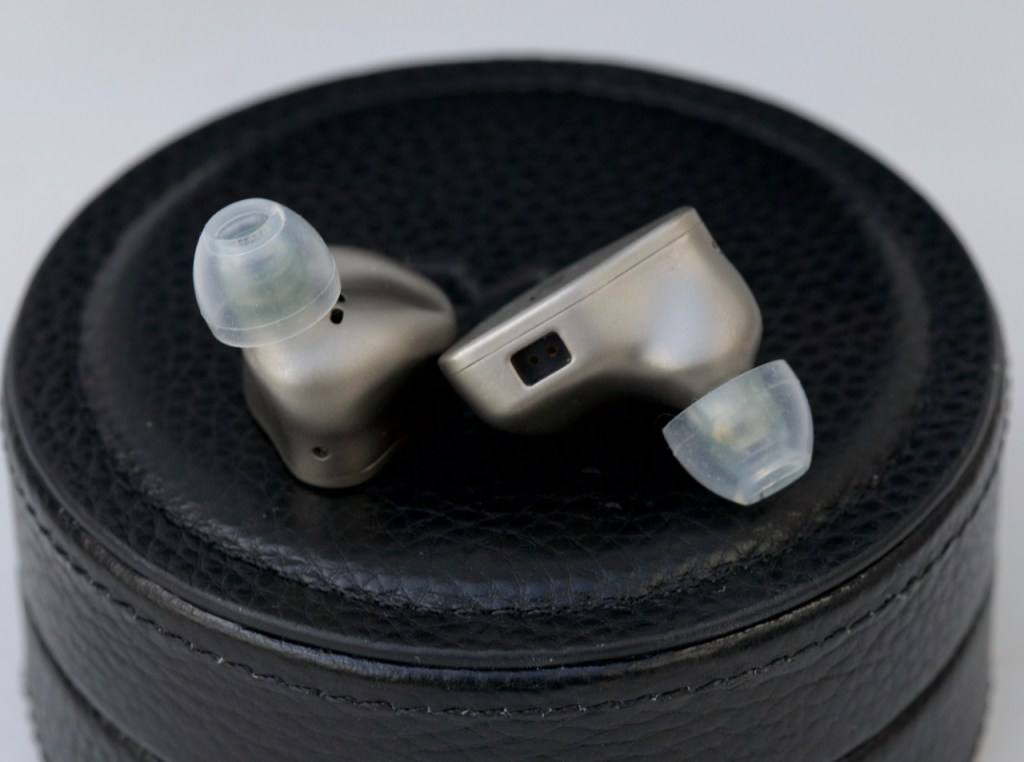
Build quality is very high, this set might as well be priced at 4K when it comes to build quality. The shells are relatively shallow, with a thin nozzle (0,5 mm, respectively 0,58 mm at the lip), ending with a bit of foam. There are three rectangular vents at the base of the nozzle, which I am not sure if are protected to prevent debris from getting into there; a further round vent, seemingly equipped with a metal mesh is present in the apex. These ensure there is no pressure building up even during the long listening sessions. At 12,5g a piece, they are about 50% heavier than Unique Melody’s Maven 2, but this is hardly felt in real life.
One slight complaint is the lip on the nozzle. Initially I thought it would allow two positions for the tips, but in real usage, the tip slides over that ridge and goes all the way upthe nozzle, which means that with certain tips, the end of the nozzle will protrude out of the tip and potentially get in contact with your ear canal.

At the heart of TXN Diamond lies the world’s most advanced dynamic driver, meticulously crafted from pure diamond through high-temperature crystal deposition. Unmatched in hardness and sound transmission, the True Diamond diaphragm delivers crystal-clear detail, vivid depth, and emotional realism that feels alive. From the delicate pluck of a guitar string to the soaring crescendo of a symphony, every note is rendered with seamless coherence. This is sound redefined, free of crossovers andcompromises, offering only purity. By eliminating crossovers, its single-driver architecture ensures perfect phase coherence and timing, preserving the natural flow of music.
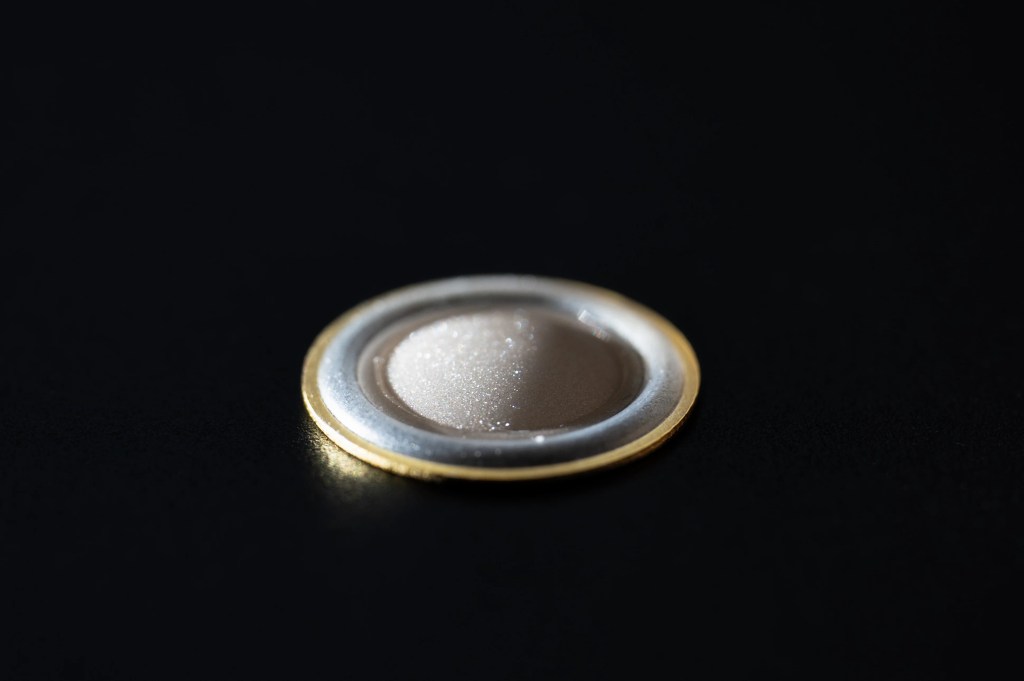
Picture from txnsound.com
TXN indicates an impedance of 15 Ohm and a sensitivity of 106dB/mW.
This promise of clarity and realism is kept beyond any doubt, as we will see further on.
Turning to the cable, this is what TXN has to say about it.
Each Aegis 4X cable is designed to unlock the potential of TXN Diamond. It embodies meticulous hand craftsmanship and an unwavering commitment to sonic purity—far more demanding to create than an ordinary cable. Every component is carefully sourced from the world’s leading suppliers.
At its core lies 7N OCC copper sourced in Taiwan. The 4.4 mm OFC balanced plug and 0.78 mm two-pin connectors are manufactured in Japan, each finished in gold for lasting conductivity and durability. With every conductor individually shielded to preserve signal integrity, the Aegis 4X delivers pristine clarity, rock-solid stability, and a purity that reveals every musical detail in its fullest expression.
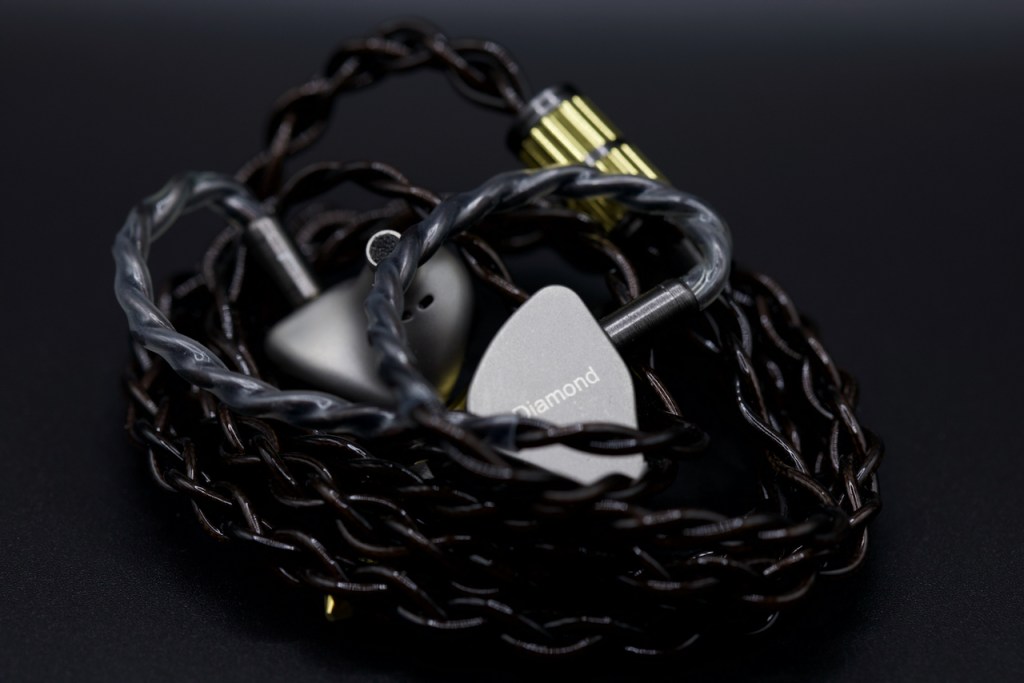
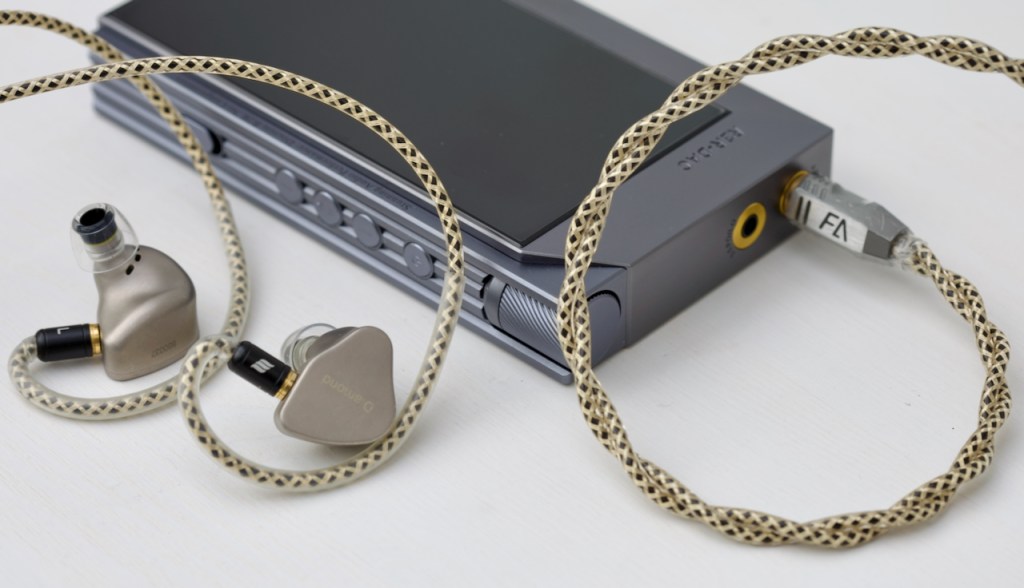
The stock cable is of good quality, relatively soft, with low, but not negligible microphonics and a certain plasticity (meaning that it takes the shape you give it, and retains it fairly well). This is different from memory, where the cable has a tendency to recover the memorized shape (usually coiled), despite your efforts to the contrary. With this stock cable, Diamond has a tendency to be too forward in the upper mids, the voices are sometimes too close, almost intrusive, and have a bit of sharpness in the treble.
Comfort, Tips, Cables, Sources
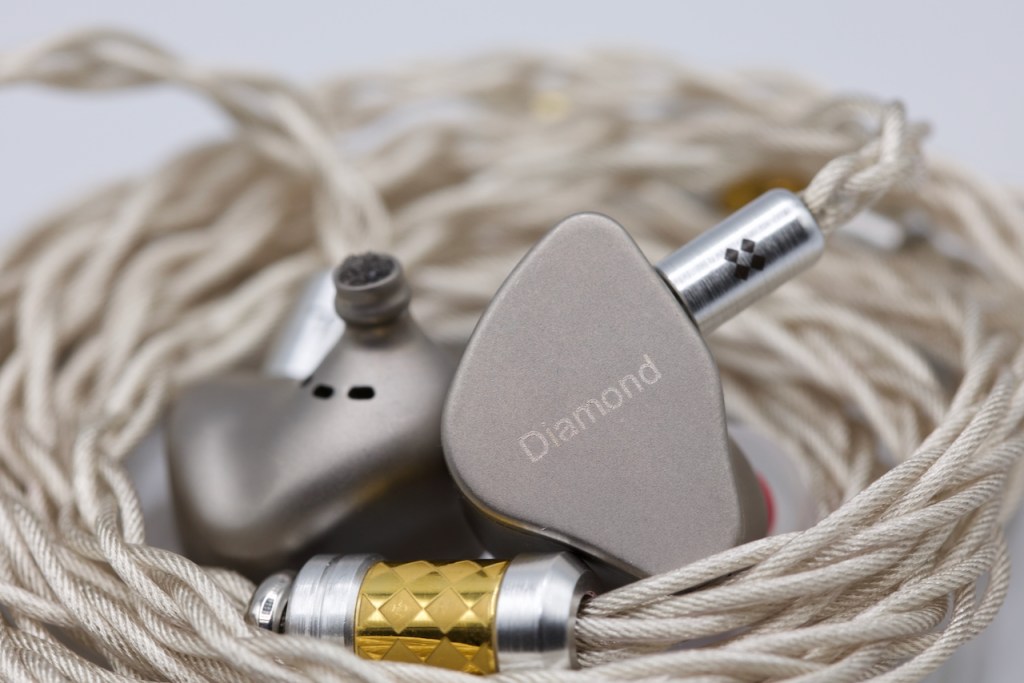
Diamond must be one of the most comfortable IEMs I had the pleasure of trying. Their short, but not too short, nozzle provide a good seating of the IEMs, with the faceplate pretty much flush with the ear, without feeling the nozzle is in your brain. Also, thanks to the small diameter of said nozzle, there is no unpleasant feeling in your canal. In fact, you don’t feel them at all. I can wear them even if resting my head on a pillow, directly on the ear. I don’t think I have more than three sets that allow me to do that.
Divinus wide bore make the stage more open and taller. At the same time, the stage becomes a bit narrower. It is a balanced-bright sound, with the upper mids and treble coming across a bit harsh. The bass has good impact, but not the strongest of the tips I’ve tried.
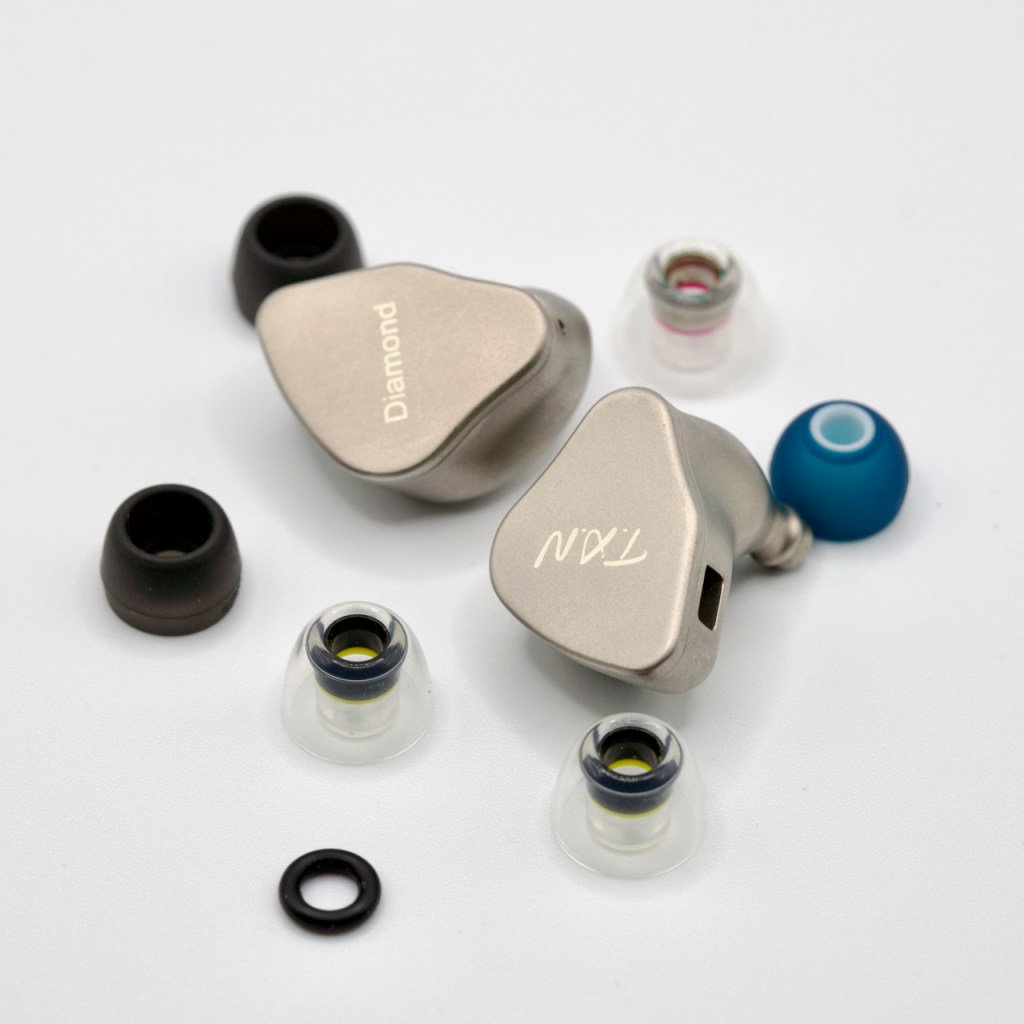
Spinfit CP145 the stage loses some height and depth, but gains in width. The treble is restricted in energy and this is helpful keeping it in check for the albums that are too enthusiastic. I also find they sound better with a deeper insertion, which due to the short nozzle is only possible with longer tips.
Spinfit Neo is one of my favourites for this IEM. The sound is well balanced, only the jagged edge of the treble is taken away, the imaging is enhanced and the stage is wide and tall.
Penon Liquors add more bass, but also bring the mids more forward.
Baroque stage brings the lower mids forward and this helps with the distorted guitars, making them sound faster and more aggressive. For pop, the mids are too forward.
Coreir Al – Interesting find, the nozzle of Diamond is so slim, that it actually goes into the metal insert of the Coreir (I have the medium size, but, anyway, the inner diameter is the same across sizes). The bass is enhanced in definition and agility, with tighter controlled rumble; the mids are pretty much unaffected, and the treble gets a bit of a clarifying treatment, while maintaining the same amount of energy. They are less comfortable, as the fit is shallower. Coreir tips do help decongesting the voices for the records where they are too intrusive.
AET08 combined with a small O ring gave me very good results. Without the O ring, the tips slid too much up the nozzle and the fit wasn’t perfect, bass lacking quite a lot. The O ring pushed the tip outward and thus the fit was great, the stage and separation got a slight bump, and the sound was very well balanced.
Should you need to reduce treble, Azla Xelastec for TWS does exactly that, while adding a big scoop of fun to the bass. They trade some bass precision for extra rumble and cap the treble in a significant manner. Use with caution, though, it does tend to increase sibilance.
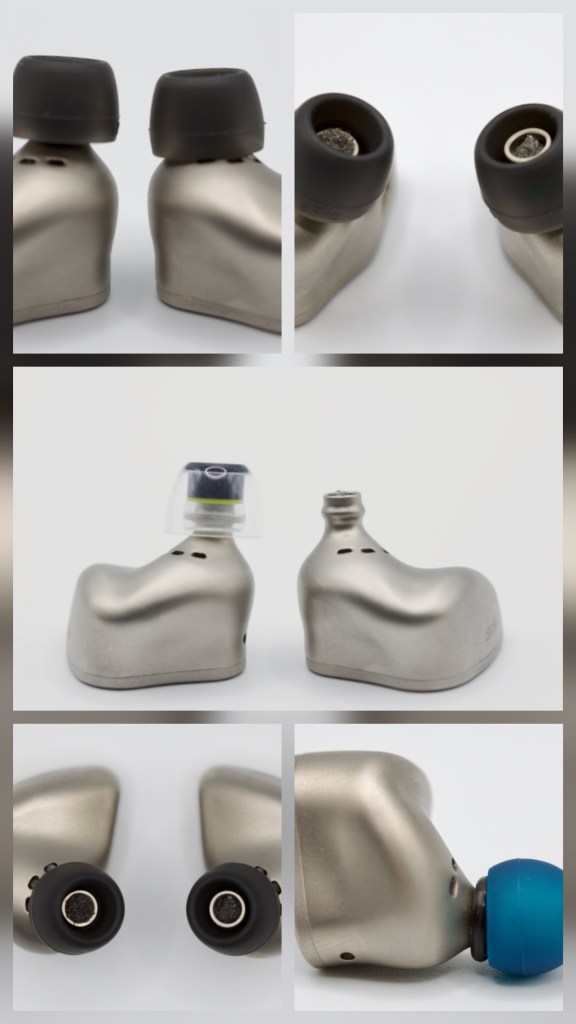
TXN Diamond with a variety of tips, with or without an O-ring added in front of the tip. The taller side has an O-ring added, see lower-right corner.
With Flash Acoustics Ultron, Diamond sounds more focused to my ears. The mids and treble gain a bit of edge, a more precise definition and it less harsh. What it does, really, is to increase the sharpness of the whole image. Listening to Dua Lipa, for example, the voice is somehow better isolated from the rest, which, surprisingly, also reduces the slight harshness I heard with the stock cable.
With Ulan 8w, the harshness is completely gone; the bass sound even more precise, more articulated, while maintaining the same character. The ensemble is more organic, even smoother flowing than before.
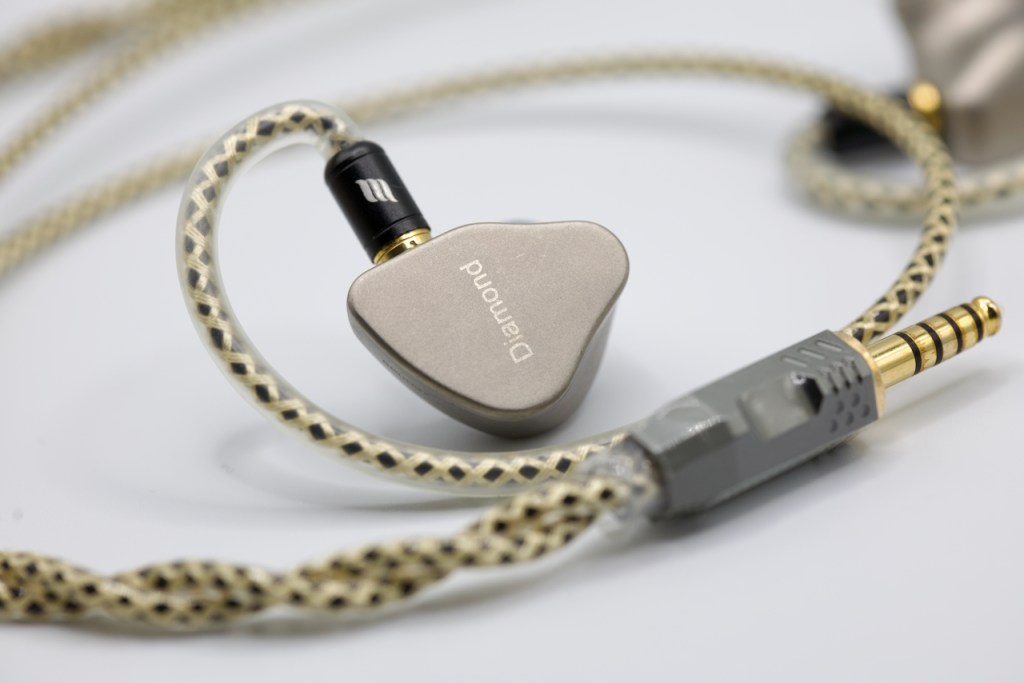
Turning to the cable itself, it can be used with other IEMs. With Ultron (Maven’s dedicated cable in my case) taking duties on the Diamond, it was only logical to try Aegis with Maven 2. It is not a big surprise that compared to Ultron, the voice, and not only, is less focused, and the bass is also a bit flabbier. An upgrade is, in Diamond’s case, justified.
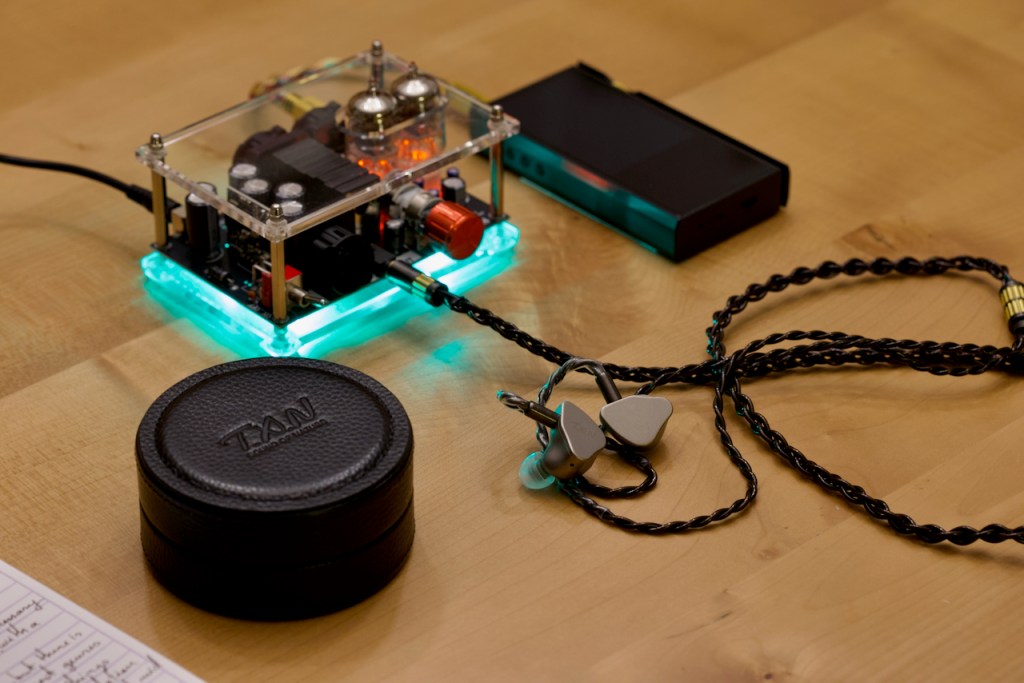
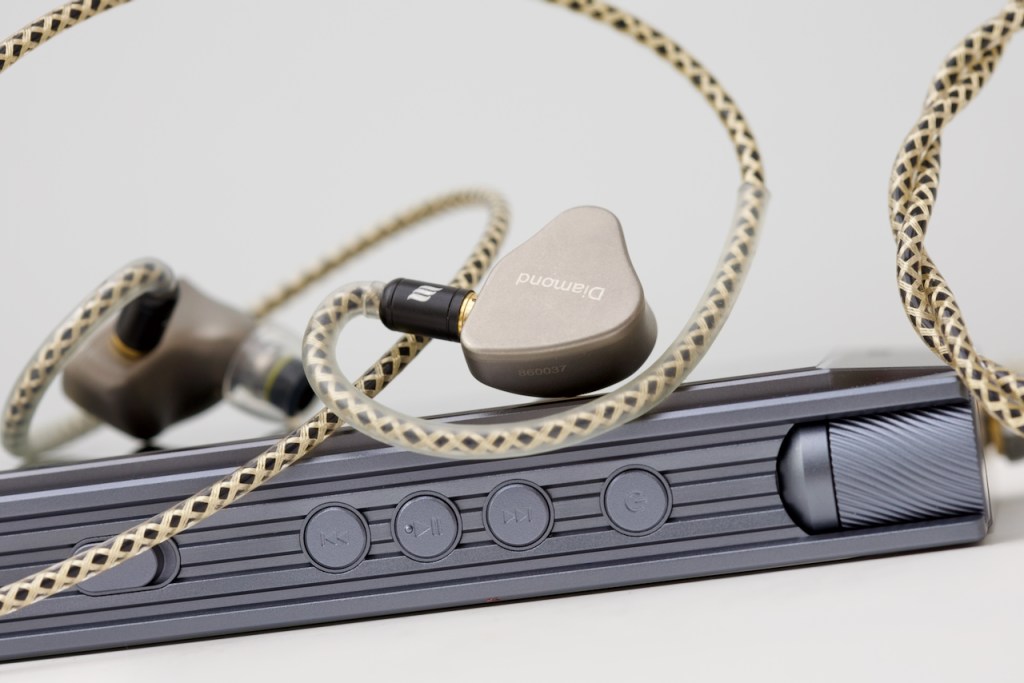
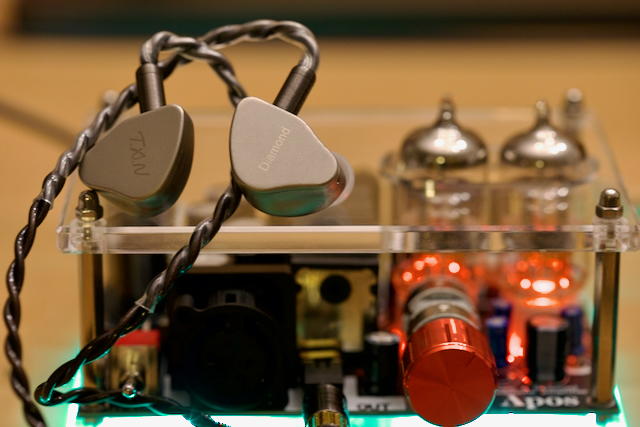
In terms of sources, Diamond played nice with everything, with a slight preference from my side for the LP P6P and the MUB5. Another wonderful source was the mighty (but small) Audma Brioso. As desktop gear, Apos Gremlin impressed once more with a wide open stage and a subtle dose of warmth, whereas the TEAC UD-507 was able to eliminate any harshness.
Sound
If I were to describe TXN Diamond in one word, that would be unassuming. As I listen to them, there is no particular part of the spectrum that shines, rather, everything is correct and well placed. The first thing to impress is actually the coherence of the sound, unsurprising, since we are talking about a single DD.
The bass is polite, for most of the time, being able to hit quite low when the music demands it, but restraining itself to a support role most of the time. When called upon, it delivers a deep physical rumble. The thump of the bass drum has an almost tactile quality, like tiny puffs of air directly on your eardrum. The bass is slightly rolled off below 40 Hz, but there is more than enough quantity for most genres. In terms of quality, it has great speed, blast beats not posing any problem at all. Drums have a powerful and edgy sound, while the bass guitar is well articulated and with great texture. Having such short decay times, combined with good energy, makes for engaging listening, with a high contrast between the moments the bass is played and the moments it simply stop dead in its tracks.
Mid bass has good articulation, with rich textures and the passage to the mids is done so smoothly, there is no bass bleeding into the mids, everything remains very precise.
The mids: Vocals are clear and while placed relatively close the ears, they are not aggressively so, such that the presentation is not intimate. Quite a pleasant surprise after many sets that either had some extra warmth or had the voices too brought forward. Nice, clean vocals that resonate amply, without sounding like a cathedral, this is what you get.Voices seem open, but not cold, a bit of natural warmth is felt. Apart from that, there is a satisfying texture to the guitars, just like the voices, a very welcome gritt, so well controlled that it does not become overwhelming or distracting. I’d say the Diamond is at the same time rough and mellow. Listen to Billie Eilish and you will immediately understand what I mean. This play between the rough lower mids and the bright upper mids make for an interesting balance. Either of there traits would be too much on its own, but together they are working in tandem for a natural, yet musical presentation.
Treble: Diamond has very good energy and bite, with more than enough air. The timbre is accurate, no plasticky sounding cymbals here. I must admit, while EST has the most crystalline sound for cymbals, I do like the heavier touch of the single DDs; there is more body to their sound. What’s best is that TXN hasn’t overdone it. There is slightly less air than, say IE900, but still there is the impression that at some point the highs hit an imaginary ceiling and are reflected back. A slight resonance, that adds a note of height to the stage. Play rock and there is more than enough energy and weight to the cymbals. Turn to other genres and the cymbals are graciously taking a step back to give the rest of the music space to shine.
Both sparkle and shimmer are very good, with a chance that sparkle might be too much for some. As luck has it, it works perfectly for me. Luckily, this can be easily fine tuned with cables or, even better, with tips.
Sibilance is well controlled but not completely eliminated; traces of it are audible under certain circumstances. This is very much record-depending, so YMMV. What I can tell you, is that, even when present, sibilance is more like an overtone, not strong enough to prevent you from enjoying the music.
Comparisons
As already mentioned, a good comparison would be the IE900, because it is another single DD, one that benefits from a very good driver and some serious engineering. Mid bass is more articulated on the IE900, which makes the depressed upper mids be even more apparent than it would normally be. The thing is, compared to TXN Diamond, there is no denying that the mids have been neglected in the IE900. Not only are they depressed, but they lack body and the sound is a bit too cold. Compared to IE900, Diamond has fuller upper mids, with more body and a bit more warmth, while remaining neutral. IE900 is a bit cold and thin in this part. The bass is ampler on the IE900 and the treble more energetic, while never being fatiguing, probably thanks to those resonators. IE900’s treble also has a bit more resolution.
The other one I have chosen is the Muxicbox Steranko S40, the king of vocals. This is a 20 drivers per side setup, with 2DD, 10BA and 8EST. It has a velvety midrange, with well defined notes and sweet vocals. The bass is rather warm, with less surgical precision than TXN, but with an overall accurate response. Slightly longer decay times, with blast beats becoming just a bit fused. Apart from TXN having a faster bass, the S40 has less energy in the upper mids, thus appearing a bit warmer and darker.
And lastly, compared to Unique Melody Maven 2, another titanium wonder, Diamond has a more precise, leaner bass, with faster decay and a more feeling of control. Maven 2 provides more rumble and a bit more physicality to the bass. Mid bass and lower mids are similar, with Maven 2 having a slightly warmer coloration than Diamondand a bit more grit. Things start to diverge a bit more, in the upper mids, where Maven 2 is calmer and moves the voices a bit further away. In the treble, Diamond has less air and definition than Maven 2, but it may come across as slightly harsh for some people.
Music
The Farewell – Rotting Christ
Slow tempo, heavily distorted guitars that break into a chanting verse. Diamond sounds as big as needed for this epic track. The stage has all, width, depth and some height. The drums are impactful, but the most satisfying is the gritt of the guitars, followed by the background chant, further enhancing that cathedral feeling. The highs have enough energy and air, while never becoming too much. The upper mids are maybe a touch too elevated with the stock cable. It’s good for the guitar solos, but some of the harmonies are too forward.
IE900 sounds deeper and taller, but a bit narrower. Straight after TXN, it seems as though the mids are completely missing. The treble has more energy and air, and to my ears, a bit more definition. Unfortunately, the lower mids sound thinner than TXN’s, while the upper mids are hidden somewhere. The imaging is a bit more precise, and the drums have more punch than Diamond. I am missing the fullness that made the cathedral sound with Diamond.
S40 is not my first pick for this kind of music, with its perfectly polished mids, but Maven 2, instead, is perfect. If it weren’t for the large stage and the marked instrument separation, I could have sworn Maven 2 is a single DD, that coherent it sounds to me.
Melancholia – Swallow the sun
Good showcase of TXN stage and holographic abilities. The voices are perfectly separated, and nicely distinct from the instruments. The bass has great presence and the cymbals, that are a bit muffled on this recording, are sufficiently clear and with good energy and details. A hint of sibilance is present.
IE900 souunds a lot more sibilant than TXN Diamond, probably because of its slight mids hollowness. Big bass and energetic treble, with a rather abrupt passage between them. Very impactful drums, but other than that, there is little speaking in favour of IE900.
Adagio in G minor (from the Assassination of Gianni Versace)
Diamond is well balanced, with a mature presentation, a good mix of precision and musicality. The violin has good texture, particularly audible in the beginning (around 0:40 mark) and in the middle, around 3:30 mark). There is good spatial separation between the violins and the rest of the orchestra, present in the background with enough oomph. There are short moments when the violin is too bright, but overall it is a pleasant experience.
S40 has thick notes and a density of sound in the whole stage, that I cannot believe I am at home, on my sofa. The violins have that edgy attack, that subtly split sound. The bass is sometimes distracting, but it maintains a high level of details and it can be tuned out most of the time.
Aprinde-ma – Tania Turtureanu
The voice is further away than, say, QDC King, but at the same time, still very much in front of the rest of the music. It just isn’t an intimate presentation. There is some distance between you and the singer, she’s not exactly whispering in your ear.
IE900 pushes the voice further back. This would not necessarily be an issue, but the voice is also somehow lifeless (compared to Diamond), a bit cold, especially in those raspy overtones. The bass is almost too powerful, but it is in general nicely balanced by the delicate treble. Towards the end of the song, I can certainly feel this lack of substance in the voice.
S40’s home turf. The voice is thick, but not unnatural. The placement in the stage is perfect, neither too far, nor too remote. There is a lot of vocal clarity, but not in an intrusive way. A human warmth to the voice, making it sound organic and realistic. Her voices has a raggedness, much like a violin, that is perfectly highlighted by the S40. Add to this the accordion, an instrument I grew up with (Balkan child) so I can appreciate the richness of tones and texture.
Back to the Sea – Sophie Zelmani
Very detailed voice, quite pushed forward this time. The harmonies sound ethereal, like angels singing. Very impressive layering, with the voice clearly separated from the instruments and there is only a shadow of the treble that was almost too energetic for other songs. This ability to manifest only when called upon is uncanny.
Since IE900 cannot really compete with TXN Diamond for this genre, I have called upon the big guns, The Steranko S40. Not a fair fight, I know, with 20 drivers per side, S40 can obviously provide much better vocal body and instrument separation. The only “downside” I can find to S40 is the “too perfect” sound. If in the beginning you have the feeling you are sitting around a campfire, once the background vocal kick in, you feel more like in a studio. The victory goes to the S40, for the simple fact that the voice is too forward (for me) with Diamond.
How do you want it – 2Pac
Hardly listenable with Diamond, the treble is way to sparkly for me. Combine this with the too forward voice and it is almost a disaster. This is my favourite rap album, admittedly, it’s a small pool to choose from, but the production is atrocious. At least for the versions found on streaming platforms. There are many IEM that fail this test, in fact there are very few who pass it. I think it’s still fun to include, it as it’s such a cool song and I’m always glad to hear it.
However, changing the tips from whatever I used before to Azla Xelastec for TWS, the grippy silicone tips with a silicone mesh, made the song perfectly enjoyable. It is amazing how a set of tips can make or break an IEM, isn’t it.
IE900 with its big sub bass and articulated mid bass is hugging the border between OK and too spicy. It does cross it occasionally, but in general it remains in the safe territory.
Even S40 struggles a bit, but it does manage to keep me listening until the end. While the treble is still elevated, the upper mids being less energetic, I can focus on the voice and ignore the treble. The bass and mids have more warmth and this helps negate that hysterical treble.
Dance the Night – Dua Lipa
Big cinematic sound. The voice is pretty forward, with virtually no sibilance, and comes across as crystal clear, textured and natural. I could have done with less sparkle in upper mids/lower treble, but overall a balanced presentation going for bass quality over quantity and with nice spatial effects. Tiny details, like bells are too forward for my taste, I would have liked them more in the background, just like the background vocals.
IE900 has a less smooth transition from the bass to the upper mids. The bass bounds more ample, and a bit warmer. IE900 has more air and it sounds more holographic. A teensy bit of sibilance is present. While is does the job, IE900 is nothing special.
S40 has an advantage due to its calmer upper mids, thing being more balanced. The bass is around the same, but it stays more localized, it does not have the liquid reach of Diamond’s bass. Not a bad thing, just different. The voice remains as clear, but less forward a bit, more in line with my expectations. Changing back to TXN Diamond, it is obvious that the sound is more coherent and overall more natural. S40 is more fun, though.
Get it like that – The Aristocrats
The songs starts with impactful drums, followed by the bass, which, on Diamond is well articulated and despite its speed, it creates a good rumble that tends to persist in my mind, while physically the driver is ready for the next note. The instrument separation is top notch, each instrument being accurately placed on/in the stage. The guitar tone is what impressed me, there is a richness of tones, notes are not overly thick, but well rounded and with a certain tridimensionality to them.
IE900 has, as expected, closed the gap, this being an instrumental song. There are more details and textures in the treble, while the guitar sounds more closed, it has clearly less presence than on Diamond. The big V is an advantage, along with the boomy bass and the sizzling treble.
The Book of Boba Fett
TXN sounds theatrical and the forward voices are present on many layers, like an onion, each layer contains another voice/chorus. It’s an energetic and engaging presentation that immediately makes me want to watch Boba Fett. Great mid bass impact, like tiny puffs of air
How is the tiny IE900 able to produce such a big bass is still a mystery to me. Yet, it does. This track sounds as if you’re in a theatre and not at home. IE900 has really good holographic imaging and a huge stage. The missing mids are no longer an issue here, the surround like sound more than compensates for it.
S40 shows its class with a dense, thick sound, that maintains a large space, but adds extra body in the mids, making the choral work more poignant. The treble is more crystalline, and the percussion during the quieter part, around 2:10 is more impactful.
Conclusion
Unlike many of the modern IEMs, this little gem is not a specialist, but an all-rounder. Yes, it does shine with metal, but it can play classical music just as well, and it’s got a big bass when needed, so rap, hip-hop and EDM are also on its list of talents. It is not a crazy hybrid configuration, just a well done single DD, but this does not mean it is less accomplished. I was quite surprised how it held its ground in the face of the utterly impressive S40. Yes, the voices don’t have that velvety thickness, but they sound natural and the entire presentation is fresh and coherent. The sound flows effortlessly as a single stream.
Combine this chameleonic nature with good comfort and you realise you are in the presence of something truly great. No-nonsense philosophy at it’s best. Beautifully manufactured shells, made of Titanium, good sound and a decent, albeit not the greatest, cable.
The overall sound signature is neutral bright, with slightly elevated upper mids, so if neutral presentation centered on vocals is what you’re after, you cannot go wrong with this one. If, however, you are looking for a bass monster, maybe Diamond is not the best choice. The bass is correct, but in no way a bass-head’s dream. Also, if you are sensitive to treble, you might want to give it a try before ordering, as it can be quite intense (it’s actually more in the upper mids).

The FR graph can be consulted here. Comparisons with S40, Maven 2 are also possible, simply add them from the list on the left hand-side, by using the + button.
 Mikaik-audio